
Getting the first period is an important milestone in a girl’s life. It marks a stage of puberty and brings several physical and emotional changes. For some girls, the first period arrives as expected, while others may feel confused or worried about what to expect. Parents may also have questions about the right age for the first period, menstrual flow, cramps and irregular cycles.
Understanding what is normal during the first few years of menstruation can help teenage girls feel more prepared and confident. It also helps parents recognise when a menstrual concern may need medical attention.
Dr. Dimple Jain explains what teenage girls and parents should know about the first period, commonly known as menarche, and when it is advisable to consult a gynaecologist.
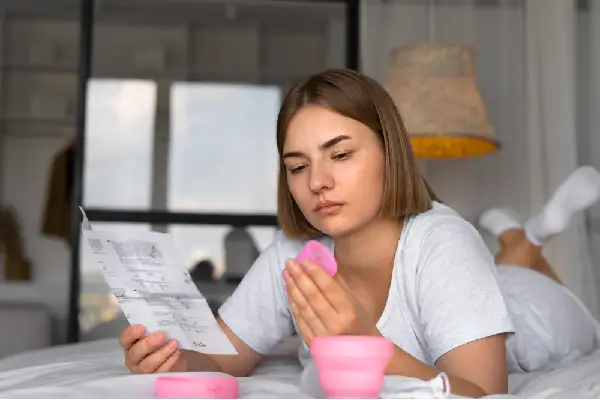
Most girls get their first period between the ages of 10 and 15, with the average age being around 12. However, the timing varies from person to person and depends on factors such as genetics, nutrition, overall health and the progression of puberty.
The first period usually occurs about two to three years after breast development begins. Other signs of puberty may include the growth of pubic and underarm hair, changes in body shape and an increase in height.
Getting a period slightly earlier or later than a friend does not necessarily indicate a problem. However, certain age-related signs should be evaluated by a healthcare professional.
A girl’s first menstrual experience can be different from what she may have heard from friends or family members. The following changes are generally common during the initial years of menstruation.
The first period may begin with a few spots of blood or light bleeding. The colour can range from bright red to dark red or brown. Brown discharge often represents older blood that has taken longer to leave the uterus.
The amount of bleeding may vary from one cycle to another. It is not necessary for the first period to be heavy or to last several days.
During the first one to two years after menarche, periods may not arrive at the same time every month. This happens because the hormonal system responsible for ovulation is still maturing.
For many teenagers, cycles gradually become more predictable over time. However, repeatedly long gaps between periods should not automatically be considered normal, particularly when a girl has gone around 90 days without a period.
Some girls experience cramps in the lower abdomen or back during menstruation. These occur when the uterus contracts to help shed its lining.
Mild cramps, bloating, breast tenderness, headaches and tiredness may also occur around the time of a period. Gentle physical activity, a warm compress and adequate rest may help with mild discomfort.
Pain that is severe, persistent or interferes with school, sleep or daily activities deserves medical evaluation.
Hormonal changes during puberty and the menstrual cycle may coincide with mood changes, irritability or increased sensitivity. Teenagers may also feel anxious or embarrassed if they are unfamiliar with menstruation.
Open conversations, reassurance and age-appropriate menstrual education can help girls understand that periods are a normal part of reproductive health.
The first period commonly lasts between two and seven days, although the pattern can vary.
During the first few cycles, a girl may notice that bleeding lasts fewer days than expected or that the flow changes from one day to the next. These variations are not necessarily concerning if the bleeding is manageable and there are no other symptoms.
Bleeding that regularly lasts longer than seven days, becomes very heavy or causes symptoms such as dizziness or unusual weakness should be assessed by a healthcare professional.
Although some irregularity is common after the first period, certain symptoms should not be ignored.
If a girl needs to change a sanitary pad every one to two hours repeatedly, frequently bleeds through clothing or bedding, or passes unusually large blood clots, medical advice is recommended.
Heavy menstrual bleeding can sometimes lead to anaemia. If heavy bleeding is accompanied by fainting, severe dizziness, breathing difficulty or marked weakness, seek urgent medical care.
Mild cramps can occur during menstruation, but severe pain that prevents a teenager from attending school or carrying out everyday activities should not be dismissed as something she simply has to tolerate.
A healthcare professional can assess whether the pain is related to typical menstrual cramps or another underlying condition.
Some variation in cycle length is common during the early years. However, a gap of approximately 90 days between periods, even once, warrants medical evaluation.
A clinician may consider factors such as nutritional intake, stress, physical activity, thyroid function and other hormonal conditions when assessing the cause.
If a girl has not had her first period by age 15, a medical assessment is recommended. Evaluation is also advisable if menstruation has not begun within three years of the start of breast development.
The reason may relate to normal variations in puberty, hormonal factors, nutritional concerns or other medical conditions. An assessment can help identify the cause.
Breast development before age eight may warrant evaluation for early puberty, particularly if other signs of puberty appear rapidly.
Parents should consult a paediatrician or other appropriate healthcare professional if they notice unusually early or rapidly progressing pubertal changes.
Parents and caregivers can make the first menstrual experience less stressful by discussing periods before they begin.
A calm, supportive approach can help teenage girls develop a healthier understanding of their bodies.
A balanced diet supports growth, development and menstrual health. Teenage girls have increased nutritional needs during adolescence, making regular meals and adequate nutrition particularly important.
Iron-rich foods such as lentils, beans, leafy green vegetables, fortified cereals, eggs and meat, where included in the diet, can help support iron intake. Pairing plant-based iron sources with vitamin C-rich foods may improve iron absorption.
Adequate protein, calcium, healthy fats, fruits and vegetables also contribute to overall health. Drinking enough water and getting sufficient sleep may help with general well-being during menstruation.
Iron supplements should not be started routinely without appropriate advice, particularly if symptoms suggest anaemia or menstrual bleeding is heavy.
Yes, menstruation can begin at age 10. The timing varies among girls. However, signs of puberty that begin before age eight should be evaluated by a healthcare professional.
Yes. Brown menstrual blood is often older blood that has oxidised before leaving the body. The colour alone is generally not a cause for concern.
Some irregularity is common during the first few years after menarche because the hormonal system is still maturing. However, repeated long gaps, including around 90 days without a period, should be evaluated.
Yes. Most teenagers can continue their usual physical activities during menstruation if they feel comfortable. Gentle exercise may help some girls manage mild cramps. Activity can be adjusted according to symptoms.
A routine consultation is not always necessary solely because the first period has occurred. However, medical advice is appropriate if there is very heavy bleeding, severe pain, prolonged gaps between periods or other concerning symptoms.
Yes, menstrual cycles may be irregular initially. However, if approximately 90 days pass without another period, a healthcare professional should assess the situation rather than assuming the delay is simply part of puberty.
The first period is a normal milestone in puberty, but every girl’s experience is different. Light bleeding, mild cramps and some irregularity during the initial years can occur as the menstrual cycle matures.
However, very heavy bleeding, severe pain, prolonged gaps between periods or the absence of a first period by age 15 should not be ignored.
Providing accurate information and emotional support helps teenage girls approach menstruation with greater confidence. When symptoms are persistent or concerning, a timely medical assessment can help identify possible causes and guide appropriate care.
Understanding the cause of your symptoms is an important step towards making informed decisions about your reproductive health.
Medical disclaimer: This article is intended for general educational purposes and does not replace individual medical consultation, diagnosis or treatment.

© 2026, All Rights Reserved by Dr. Dimple Jain