

Polycystic ovary syndrome (PCOS) is a common hormonal condition that affects women during their reproductive years. It can cause irregular menstrual cycles, hormonal imbalances, acne, excess facial hair, and difficulties with ovulation. For women who are planning a pregnancy, these symptoms can raise an important question: Can women with PCOS get pregnant naturally?
The answer is yes. Many women with PCOS conceive naturally and have healthy pregnancies. However, PCOS can affect how regularly the ovaries release eggs, which may make conception less predictable or take longer than expected.
The good news is that PCOS-related fertility difficulties can often be managed with appropriate lifestyle changes, medical guidance, and fertility treatments when necessary. Understanding how PCOS affects ovulation and reproductive health can help women make informed decisions when planning a pregnancy.
This article explains the relationship between PCOS and natural pregnancy, factors that influence fertility, practical ways to support conception, and when to consult a gynaecologist.
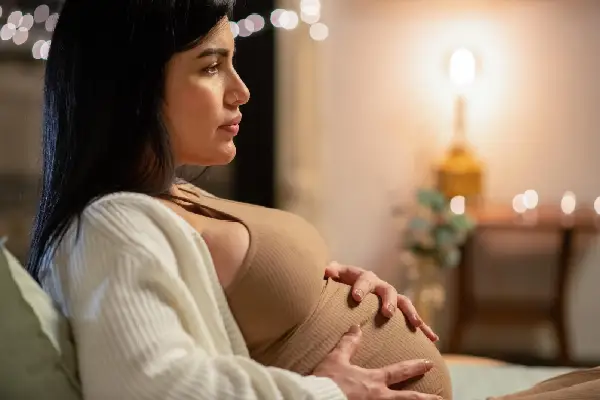
Polycystic ovary syndrome is a hormonal and metabolic condition that can affect the ovaries, menstrual cycle, and the body’s response to insulin.
Women with PCOS may have higher levels of androgens, which are hormones present in all women but typically at lower levels than in men. They may also experience insulin resistance, in which the body’s cells respond less effectively to insulin.
These hormonal changes can interfere with the normal development and release of an egg during the menstrual cycle.
Under typical circumstances, an ovary releases an egg during ovulation. If sperm fertilises the egg and the resulting embryo implants successfully in the uterus, pregnancy may occur.
In women with PCOS, ovulation may happen irregularly or may not occur in some menstrual cycles. This reduces the number of opportunities for conception but does not mean pregnancy is impossible.
It is also important to understand that having polycystic-appearing ovaries on an ultrasound does not automatically mean a woman has PCOS. Diagnosis involves assessing symptoms, medical history, and appropriate investigations.
Yes, women with PCOS can get pregnant naturally, particularly when they ovulate regularly or occasionally. PCOS does not automatically cause infertility, and not every woman with the condition requires fertility treatment.
The likelihood of natural conception depends on several factors, including:
Some women with PCOS conceive within a few months of trying, while others need medical assistance to support ovulation. There is no single timeline that applies to everyone.
An important point: Irregular periods do not necessarily mean that pregnancy cannot occur. Ovulation may still happen occasionally, even when menstrual cycles are unpredictable.
PCOS can affect fertility through several interconnected mechanisms.
One of the main reasons PCOS can make conception more difficult is irregular ovulation, also called oligo-ovulation, or absent ovulation, called anovulation.
When ovulation does not occur consistently, it becomes harder to predict the fertile window. If an egg is not released during a particular cycle, natural conception cannot occur in that cycle.
Higher androgen levels and changes in the hormonal signals that regulate ovarian function can interfere with normal follicle development.
Follicles are small structures in the ovaries in which eggs develop. In PCOS, several follicles may begin developing without one progressing normally to release a mature egg.
This can contribute to irregular periods and reduced ovulation frequency.
Insulin resistance is common in PCOS, although it does not affect every woman in the same way.
When the body produces more insulin to compensate for insulin resistance, higher insulin levels may contribute to increased androgen production. This can further disrupt ovulation and menstrual regularity.
Addressing metabolic health can therefore be an important part of preconception care.
Not every fertility problem in a woman with PCOS is caused by the condition itself. Age-related changes, blocked fallopian tubes, endometriosis, and male-factor infertility may also affect the chances of conception.
A comprehensive fertility assessment can help identify the factors involved rather than assuming PCOS is the only cause.
Although no lifestyle change can guarantee pregnancy, several practical steps can support reproductive and general health.
A balanced diet can support blood glucose regulation, metabolic health, and overall wellbeing.
Consider including:
Combining carbohydrates with protein, fibre, and healthy fats may help support steadier blood glucose levels.
There is no single PCOS diet that works for everyone. Avoid extreme restrictions, unproven fertility diets, or supplements marketed as guaranteed treatments. A registered dietitian can help tailor a sustainable eating plan to individual needs.
Regular physical activity can improve insulin sensitivity, cardiovascular health, and overall metabolic wellbeing.
Activities may include:
Choose activities that fit your routine and health needs. Consistency is generally more useful than following an overly demanding exercise programme.
For women who have excess weight, even modest weight changes may improve menstrual regularity and ovulation in some cases.
However, PCOS can affect women at different body sizes, and weight loss is not necessary or appropriate for everyone. Women who are underweight or have nutritional deficiencies may need a different approach.
Fertility care should focus on individual health, sustainable habits, and reproductive goals rather than a single number on the weighing scale.
Identifying ovulation can help couples understand when conception is most likely.
Possible methods include:
Ovulation predictor kits detect a rise in luteinising hormone. However, some women with PCOS have elevated baseline luteinising hormone levels, which can cause misleading results.
Period-tracking applications estimate fertile days based on cycle patterns, but their predictions may be less accurate when periods are irregular.
If you cannot reliably identify ovulation, a gynaecologist can advise whether blood tests or ultrasound monitoring would be helpful.
When ovulation timing is uncertain, having sexual intercourse every two to three days throughout the menstrual cycle can help cover the fertile window.
For women who can identify ovulation, intercourse every one to two days during the fertile window may also support conception.
There is usually no need to restrict intercourse to a single predicted ovulation day, particularly when cycles are irregular.
Preconception care is important for women with PCOS.
Before trying to conceive, discuss the following with your healthcare professional:
Women with PCOS may have an increased risk of gestational diabetes and certain other pregnancy complications. Planning ahead can help identify risk factors and establish appropriate monitoring.
The most appropriate approach depends on whether ovulation occurs, how long conception has been attempted, age, and other fertility factors.
Approach | How it may help | When it may be considered |
Lifestyle support | Supports metabolic health and may improve ovulation in some women | As part of general PCOS and preconception care |
Ovulation tracking | Helps identify the likely fertile window | When ovulation occurs but cycle timing is uncertain |
Ovulation-induction medication | Helps stimulate egg release | When irregular or absent ovulation interferes with conception |
Intrauterine insemination (IUI) | Places prepared sperm into the uterus around ovulation | In selected cases depending on the fertility assessment |
In vitro fertilisation (IVF) | Fertilises eggs with sperm in a laboratory before transferring an embryo to the uterus | When indicated by the overall fertility assessment or other treatments have not succeeded |
For women with PCOS-related anovulatory infertility and no other identified infertility factors, letrozole is generally recommended as the first-line pharmacological treatment for ovulation induction in current international guidance.
Other medicines, including clomiphene citrate or metformin in selected circumstances, may be considered according to individual clinical needs.
These medicines should only be used under medical supervision. They are not interchangeable, and the appropriate treatment depends on the diagnosis, contraindications, and monitoring requirements.
Not every woman with PCOS needs IVF. Many conceive naturally or with simpler forms of treatment.
Women with PCOS do not always need to wait a full year before seeking fertility advice.
Consider consulting a gynaecologist if:
Women older than 40 or those with significant known fertility concerns may benefit from earlier evaluation.
A fertility assessment may involve reviewing menstrual history, assessing ovulation, checking relevant hormones and metabolic health, evaluating the uterus and fallopian tubes when indicated, and assessing sperm health.
Early assessment can help identify treatable causes and prevent unnecessary delays.
Yes. Many women experience less menstrual pain as they get older. Primary dysmenorrhoea may improve over time and sometimes after childbirth, although this is not guaranteed.
However, there is no universal pattern. Some women experience more painful periods in adulthood because of conditions such as endometriosis, adenomyosis, or fibroids.
The important distinction is between cramps that remain manageable and familiar and pain that is new, progressively worsening, or associated with other symptoms.
Age alone cannot explain every change in menstrual pain. Persistent or worsening symptoms deserve proper evaluation.
Yes. Many women with PCOS conceive naturally, particularly if they ovulate regularly or occasionally. Others may need treatment to support ovulation. The likelihood of conception depends on individual reproductive health and other fertility factors.
Yes. Irregular periods do not rule out pregnancy because ovulation may still occur occasionally. However, irregular cycles can make the fertile window difficult to predict. A gynaecologist can help assess ovulation and discuss appropriate next steps.
No. PCOS does not automatically mean infertility. Many women with PCOS have children, either naturally or with medical assistance. If you are experiencing difficulty conceiving, an individualised fertility evaluation can help determine the available options.
A balanced diet, regular physical activity, adequate sleep, preconception care, and appropriate management of metabolic health can support fertility. If ovulation is irregular or absent, medical treatment may be recommended. No single lifestyle change guarantees pregnancy.
PCOS is associated with a higher risk of certain complications, including gestational diabetes, hypertensive disorders of pregnancy, and miscarriage. However, many women with PCOS have healthy pregnancies. Preconception assessment and appropriate antenatal monitoring help manage individual risks.
Can women with PCOS get pregnant naturally? Yes, natural pregnancy is possible for many women with PCOS. Although hormonal imbalances and irregular ovulation can make conception more challenging, the condition does not automatically mean infertility.
Understanding your menstrual cycle, following sustainable health habits, preparing for pregnancy, and seeking timely medical advice can help you make informed decisions about fertility. If ovulation is irregular or conception is taking longer than expected, effective medical treatments are available.
Every woman’s experience with PCOS is different. Consulting a qualified gynaecologist can help you understand your reproductive health, identify possible barriers to conception, and develop an appropriate pregnancy plan.
Medical disclaimer: This article is intended for general educational purposes and does not replace professional medical advice, diagnosis, or treatment. Consult a qualified healthcare professional for personalised guidance regarding PCOS and pregnancy.

© 2026, All Rights Reserved by Dr. Dimple Jain