
Endometriosis is a common gynaecological condition that can cause severe period pain, pelvic pain, heavy menstrual bleeding and difficulty getting pregnant. Despite its impact on women’s health, many myths about endometriosis can make it difficult to recognise the symptoms and seek timely medical care.
Some women believe that painful periods are simply something they have to live with. Others may think that endometriosis always causes infertility or that pregnancy permanently cures the condition. These beliefs are not necessarily true.
Knowing the difference between endometriosis myths and facts can help women understand their symptoms and seek appropriate advice from a gynaecologist.
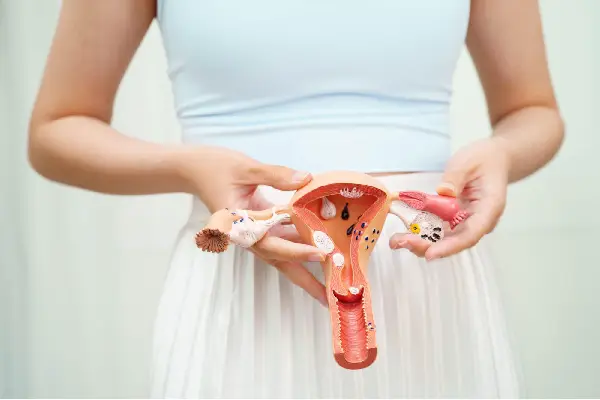
Endometriosis is a condition in which tissue similar to the lining of the uterus grows outside the uterus. It may affect the ovaries, fallopian tubes and other tissues in the pelvis.
This tissue can respond to hormonal changes during the menstrual cycle, which may contribute to inflammation, pain and the formation of scar tissue or adhesions.
The symptoms of endometriosis can vary considerably. Some women experience severe pain, while others may have mild symptoms or no obvious symptoms.
Fact: Severe period pain should not always be considered normal.
Mild to moderate menstrual cramps can be common. However, pain that is severe enough to interfere with your work, studies, sleep, relationships or everyday activities may need medical evaluation.
Endometriosis is one possible cause of severe menstrual pain, although other conditions can also cause painful periods.
If your period pain regularly prevents you from carrying out normal activities, speak with a gynaecologist.
Fact: Endometriosis can affect women during their reproductive years, including teenagers and young adults.
Symptoms may begin during adolescence. However, diagnosis can sometimes be delayed because severe period pain may be dismissed as a normal part of menstruation.
Young women experiencing persistent or severe menstrual pain should discuss their symptoms with a healthcare professional rather than assuming they are too young to have endometriosis.
Fact: Endometriosis can affect fertility, but it does not mean that every woman with endometriosis will have difficulty becoming pregnant.
Some women with endometriosis conceive naturally, while others may require fertility support.
The effect of endometriosis on fertility can depend on several factors, including where the condition is located, whether the ovaries or fallopian tubes are affected, age and other reproductive factors.
If you have endometriosis and are planning a pregnancy, discuss your fertility goals with your gynaecologist.
Fact: Pregnancy is not considered a permanent cure for endometriosis.
Hormonal changes during pregnancy may alter endometriosis symptoms for some women. However, pregnancy does not permanently remove endometriosis.
Symptoms may return after pregnancy, and some women may continue to require medical management.
Fact: The severity of pain does not always correspond to the extent of endometriosis.
Some women with significant endometriosis may experience relatively few symptoms, while others with less extensive disease can experience severe pain.
Therefore, symptoms should be assessed individually rather than assuming that the amount of pain accurately indicates the extent of the disease.
Fact: Endometriosis can cause symptoms outside the menstrual period as well.
Possible symptoms include:
Not every woman will experience all of these symptoms.
Fact: Endometriosis can affect areas beyond the reproductive organs.
Endometriosis commonly affects pelvic organs, but lesions can sometimes involve other areas. Depending on their location, they may contribute to symptoms involving the bowel or urinary system.
This is one reason why persistent symptoms should be evaluated rather than assuming they are simply related to menstruation.
Fact: Diagnosing endometriosis can sometimes take time.
There is no single symptom that confirms endometriosis. A gynaecologist may consider your menstrual history, symptoms, medical history and physical examination.
Depending on your symptoms, investigations such as an ultrasound or MRI may be recommended. In selected cases, laparoscopy may be considered.
The appropriate diagnostic approach varies from one patient to another.
Fact: Treatment can help manage symptoms and improve quality of life.
Although endometriosis is a chronic condition, several treatment approaches are available.
Depending on your individual circumstances, treatment may include:
Treatment is usually based on factors such as symptoms, age, extent of disease, previous treatment and whether you wish to become pregnant.
Fact: A hysterectomy does not necessarily eliminate all endometriosis.
A hysterectomy removes the uterus, but endometriosis can occur outside the uterus. Therefore, removing the uterus does not automatically remove all endometriosis lesions.
Whether surgery is appropriate depends on the individual patient’s symptoms, disease, fertility plans and other factors.
You should consider consulting a gynaecologist if you regularly experience:
These symptoms can have several causes and do not necessarily mean that you have endometriosis. A medical evaluation can help identify the possible cause.
There is no single treatment suitable for every woman with endometriosis. The treatment approach depends on your symptoms, disease characteristics and reproductive goals.
Some women may benefit from medication to control pain or hormonal activity. In other cases, surgery may be considered, particularly when symptoms are significant or when endometriosis affects fertility or organs.
Your gynaecologist can explain the benefits and limitations of different treatment options before deciding on a management plan.
One of the most important facts about endometriosis is that severe period pain should not simply be dismissed as normal.
If menstrual or pelvic pain is affecting your quality of life, seeking medical advice can help identify whether endometriosis or another condition may be responsible.
Early evaluation can also help you understand your treatment options and, where relevant, discuss fertility planning.
Common symptoms include painful periods, chronic pelvic pain, pain during intercourse, pain during bowel movements, heavy menstrual bleeding, bloating and difficulty becoming pregnant.
Severe period pain can be a symptom of endometriosis, but it can also have other causes. If your pain regularly affects your daily activities, consult a gynaecologist for evaluation.
Yes. Endometriosis does not mean that pregnancy is impossible. However, it can affect fertility in some women. Fertility planning should be discussed with your doctor based on your individual circumstances.
Endometriosis is generally considered a chronic condition. Symptoms can change over time, but persistent symptoms should be evaluated and managed appropriately.
No. Surgery is not required for every woman with endometriosis. Treatment may involve medication, hormonal therapy, pain management or surgery depending on the individual’s symptoms and circumstances.
Endometriosis symptoms can recur after treatment in some women. Regular follow-up with a gynaecologist can help monitor symptoms and determine whether further management is needed.
If you are experiencing severe period pain, chronic pelvic pain, painful intercourse, heavy periods or difficulty conceiving, Dr. Dimpe Jain can evaluate your symptoms and discuss appropriate diagnostic and treatment options.
Every woman’s experience with endometriosis is different. A personalised consultation can help you understand your symptoms and choose an appropriate approach to managing your gynaecological health.
Don’t let persistent period pain go unexplained. Book a consultation with Dr. Dimpe Jain for an evaluation of your symptoms and personalised guidance for endometriosis care.

© 2026, All Rights Reserved by Dr. Dimple Jain