
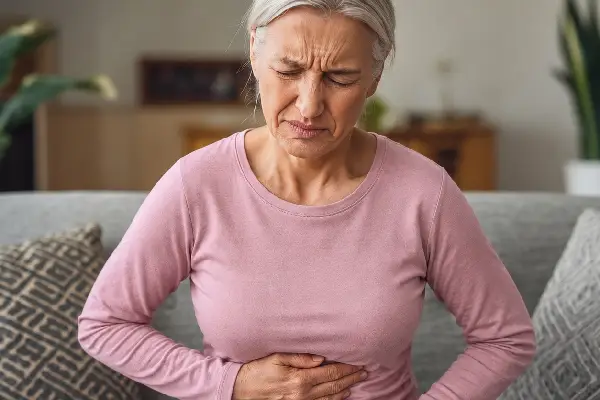
Menstrual cramps are a common experience during menstruation, but their intensity can change throughout life. While some women notice that their periods become less painful as they grow older, others experience increasingly severe cramps, heavier bleeding, or pelvic pain that interferes with their daily activities.
So, why do period cramps become worse with age? In many cases, worsening menstrual pain may be associated with underlying gynaecological conditions such as endometriosis, adenomyosis, or uterine fibroids. Hormonal changes, changes in menstrual patterns, and certain reproductive health conditions may also influence the severity of period pain.
Although occasional mild cramps are generally a normal part of menstruation, progressively worsening pain should not be ignored. Understanding the possible causes can help you recognise warning signs, seek appropriate medical advice, and explore treatments that provide relief.
In this article, we discuss why period cramps may become more painful with age, the medical conditions that can contribute to them, and the treatment options available.
Before understanding why menstrual cramps may worsen over time, it is important to know what causes them.
During menstruation, the uterus sheds its inner lining, which leaves the body through the vagina. To help remove this lining, the muscles of the uterus contract. These contractions are influenced by hormone-like substances called prostaglandins.
Prostaglandins help the uterus contract, but higher levels can cause stronger contractions and temporarily reduce blood flow to the uterine muscle. This can result in cramping and pain in the lower abdomen.
Period cramps may also be accompanied by:
The intensity of these symptoms varies from person to person. Mild discomfort that improves within a day or two is common. However, severe pain, pain that lasts longer than usual, or cramps that progressively worsen may indicate a medical condition requiring evaluation.
Period cramps do not necessarily become worse as a person ages. In fact, primary menstrual cramps often improve with age, and some women experience less pain after pregnancy.
However, when menstrual pain becomes more severe over time, it may be a sign of secondary dysmenorrhoea. This refers to painful periods caused by an underlying condition affecting the uterus or other reproductive organs.
Several factors can explain why period cramps become worse with age.
Endometriosis is a condition in which tissue similar to the lining of the uterus grows outside the uterus, commonly around the ovaries, fallopian tubes, and other pelvic structures.
This tissue responds to hormonal changes during the menstrual cycle. The resulting inflammation and irritation can contribute to significant pain. Scar tissue and adhesions may also develop in some cases.
Endometriosis can begin during adolescence or adulthood, but diagnosis may be delayed for years because severe period pain is sometimes mistaken for a normal part of menstruation.
Common symptoms of endometriosis include:
If your menstrual cramps are becoming increasingly painful or you experience pelvic pain outside your period, consult a gynaecologist. Early assessment can help identify possible endometriosis and guide treatment.
Adenomyosis occurs when tissue similar to the uterine lining grows into the muscular wall of the uterus. This can cause the uterus to become enlarged or tender and may lead to painful menstruation.
The condition is often identified in adulthood and is more commonly recognised in women in their 30s and 40s, although it can occur at other ages.
Adenomyosis is an important possible explanation for worsening menstrual cramps, particularly when pain occurs alongside heavy bleeding.
Other symptoms may include:
Not everyone with adenomyosis develops symptoms. When symptoms are present, treatment depends on their severity, medical history, and reproductive plans.
Uterine fibroids are non-cancerous growths that develop in or around the muscular wall of the uterus. They are common during the reproductive years, and their size, number, and location can influence symptoms.
Although many fibroids cause no noticeable problems, some can contribute to painful periods, heavy menstrual bleeding, or pelvic pressure.
Fibroids may become more relevant as women get older because they can develop or grow during the reproductive years under the influence of hormones.
Possible symptoms include:
Fibroids do not always require treatment. However, if they cause significant pain, heavy bleeding, or anaemia, a gynaecologist may recommend further evaluation and appropriate management.
Perimenopause is the transitional period leading up to menopause. It often begins during the 40s, although the timing varies.
During this stage, oestrogen and progesterone levels fluctuate, and menstrual cycles may become shorter, longer, heavier, lighter, or less predictable.
These hormonal changes can affect menstrual symptoms. Some women experience more noticeable cramps or heavier bleeding, while others find that their period pain decreases.
It is important to understand that perimenopause itself does not automatically cause worsening cramps. Increasing pain during this stage may also be related to conditions such as adenomyosis or fibroids.
Seek medical advice if you develop new or worsening cramps, particularly when they occur alongside unusually heavy bleeding, bleeding between periods, or persistent pelvic discomfort.
Pelvic inflammatory disease is an infection affecting the upper female reproductive tract, including the uterus, fallopian tubes, or ovaries. It is often associated with sexually transmitted infections, although other bacteria can also be responsible.
PID can cause pelvic pain that may become more noticeable during menstruation. Unlike ordinary period cramps, the pain may also occur outside the menstrual cycle.
Additional symptoms can include:
Untreated PID can lead to complications, including chronic pelvic pain and fertility problems. Prompt medical assessment is important if these symptoms occur.
Ovarian cysts are fluid-filled sacs that develop in or on an ovary. Many are harmless and resolve without treatment, but some can cause pelvic discomfort or pain.
Pain associated with ovarian cysts is not always limited to menstruation. Depending on the type and size of the cyst, it may be felt on one side of the lower abdomen or around the time of ovulation.
Other conditions, including pelvic adhesions or certain uterine abnormalities, can also contribute to menstrual pain.
Sudden, severe pelvic pain, particularly when accompanied by nausea or vomiting, requires urgent medical assessment because it can indicate an ovarian cyst complication or another emergency.
Dysmenorrhoea is the medical term for painful menstruation. It is classified into two main types.
Feature | Primary dysmenorrhoea | Secondary dysmenorrhoea |
Main cause | Uterine contractions influenced by prostaglandins | An underlying reproductive or pelvic condition |
Typical onset | Often begins during adolescence | May begin later in life or change over time |
Pain pattern | Usually occurs just before or during menstruation | May start days before a period and continue afterwards |
Progression | Often remains similar or improves with age | May become progressively worse |
Associated symptoms | Cramps, nausea, headache, or diarrhoea | May include heavy bleeding, pain during sex, or persistent pelvic pain |
Management | Pain relief and self-care measures | Treatment of symptoms and the underlying cause |
These patterns are general rather than diagnostic. A healthcare professional can help determine the likely cause of your symptoms.
Apart from gynaecological conditions, several factors may influence how menstrual pain is experienced.
Stress and inadequate sleep may increase sensitivity to pain and make cramps more difficult to manage. They do not necessarily cause an underlying reproductive condition, but they can affect overall wellbeing and the experience of menstrual discomfort.
Relaxation techniques, regular sleep, and stress-management practices may help support symptom management.
Heavier periods can occur alongside stronger cramps, particularly when associated with conditions such as adenomyosis or fibroids.
If you regularly soak through menstrual products quickly, need to change them unusually frequently, or experience prolonged bleeding, discuss these symptoms with a healthcare professional.
Heavy bleeding may also contribute to iron-deficiency anaemia, which can cause tiredness, weakness, breathlessness, or dizziness.
Some contraceptive methods can influence menstrual pain and bleeding patterns. For example, a copper intrauterine device (IUD) may increase cramps or bleeding, particularly during the initial months after insertion. Hormonal contraceptive methods may reduce period pain for some individuals.
If cramps begin or become noticeably worse after starting a contraceptive method, speak with your doctor about whether it could be contributing to your symptoms.
Treatment depends on the cause and severity of the pain. For occasional menstrual cramps without concerning symptoms, several self-care measures may help.
Place a warm heating pad or hot-water bottle wrapped in a towel over the lower abdomen or lower back.
Heat may help relax the muscles and reduce menstrual discomfort. Avoid applying excessive heat directly to the skin.
Gentle activities such as walking, stretching, yoga, and other comfortable forms of exercise may help some women manage period pain.
You do not need to push through severe discomfort. Adjust your activity according to how you feel.
Non-steroidal anti-inflammatory drugs (NSAIDs), such as ibuprofen or naproxen, can reduce prostaglandin production and relieve menstrual cramps.
They may be more effective when started at the beginning of symptoms or shortly before an expected period, when appropriate.
However, these medicines are not suitable for everyone. Consult a healthcare professional or pharmacist before using them if you have kidney disease, stomach ulcers, certain bleeding disorders, take blood-thinning medication, may be pregnant, or have other relevant health concerns. Do not combine different NSAIDs unless specifically advised.
If you regularly need pain medication or it no longer provides relief, arrange a medical assessment rather than repeatedly increasing the dose.
Drink enough water and eat balanced meals containing vegetables, fruits, whole grains, protein, and iron-rich foods.
A healthy diet supports general wellbeing, particularly if you experience heavy menstrual bleeding. However, no specific food or dietary supplement is guaranteed to eliminate period cramps.
Maintain a menstrual diary or use a period-tracking application to record:
This information can help your gynaecologist identify patterns and decide whether further testing is needed.
When period pain is linked to endometriosis, adenomyosis, fibroids, or another medical condition, home remedies alone may not be sufficient.
Depending on the diagnosis, treatment may include pain-relieving medicines, hormonal therapy, a hormonal intrauterine system, or condition-specific procedures and surgery.
The most appropriate option depends on your symptoms, medical history, treatment preferences, and plans for pregnancy.
Although mild menstrual cramps are common, period pain that becomes progressively worse should be evaluated by a healthcare professional.
Consider scheduling a gynaecology appointment if you experience:
Seek urgent medical care for sudden or severe pelvic pain, particularly if it is accompanied by fainting, fever, persistent vomiting, or heavy bleeding. If pregnancy is possible, severe pain or pain with bleeding also requires urgent assessment because an ectopic pregnancy must be ruled out.
Do not assume that severe pain is normal simply because it occurs during menstruation.
A gynaecologist will usually begin by discussing your menstrual history, symptoms, medical background, and any changes in your cycle.
Depending on your symptoms, evaluation may involve:
Medical history and symptom review: Your doctor may ask when the pain begins, how long it lasts, whether bleeding has changed, and whether you have pain at other times of the month.
Physical examination: An examination may be recommended when appropriate, with your consent, to assess possible causes of pelvic pain.
Ultrasound: A pelvic ultrasound may help identify uterine fibroids, signs of adenomyosis, ovarian cysts, or other structural abnormalities. A normal ultrasound does not necessarily rule out endometriosis.
Additional investigations: Blood tests may be recommended if heavy bleeding or anaemia is suspected. Depending on the findings, further specialist investigations or procedures may be considered.
Not everyone needs every test. The investigation plan depends on your individual symptoms and clinical assessment.
Yes. Many women experience less menstrual pain as they get older. Primary dysmenorrhoea may improve over time and sometimes after childbirth, although this is not guaranteed.
However, there is no universal pattern. Some women experience more painful periods in adulthood because of conditions such as endometriosis, adenomyosis, or fibroids.
The important distinction is between cramps that remain manageable and familiar and pain that is new, progressively worsening, or associated with other symptoms.
Age alone cannot explain every change in menstrual pain. Persistent or worsening symptoms deserve proper evaluation.
Period cramps may become worse in your 30s because of conditions such as endometriosis, adenomyosis, or uterine fibroids. Changes in bleeding patterns or contraception may also affect symptoms. If your cramps are becoming more severe, consult a gynaecologist to identify the cause.
Some women experience changes in menstrual pain and bleeding during perimenopause because hormone levels fluctuate. However, worsening cramps are not inevitable. New or severe pain, particularly when accompanied by heavy or irregular bleeding, should be assessed by a healthcare professional.
Yes. Endometriosis can cause increasingly painful periods, pelvic pain outside menstruation, and pain during intercourse or bowel movements. Symptoms vary, and severe cramps do not automatically mean that you have endometriosis. A medical evaluation can help determine the cause.
Severe period pain can occur at any age, but newly developing or progressively worsening cramps after 35 should not automatically be considered normal. Conditions such as adenomyosis and fibroids become important possibilities to investigate, depending on your symptoms.
Sometimes. Severe menstrual pain may be associated with endometriosis, adenomyosis, fibroids, pelvic inflammatory disease, or other pelvic conditions. Most causes can be assessed and managed, but sudden severe pain, fainting, fever, or possible pregnancy with pelvic pain requires urgent medical attention.
Seek medical advice if cramps worsen over time, disrupt daily activities, occur outside menstruation, or accompany heavy bleeding, unusual discharge, or pain during sex. Seek urgent care for sudden severe pain or other concerning symptoms.
Understanding why period cramps become worse with age is important for protecting long-term reproductive health. Although ordinary menstrual cramps may improve over time, increasingly severe pain can be associated with endometriosis, adenomyosis, uterine fibroids, hormonal changes, or other pelvic conditions.
Heat therapy, gentle exercise, appropriate pain relief, and tracking menstrual symptoms may help manage discomfort. However, these measures should not replace medical evaluation when pain is persistent, severe, or progressively worsening.
If your menstrual cramps have changed significantly, consult a qualified gynaecologist to identify the possible cause and discuss an appropriate treatment plan. You do not have to accept severe period pain as an unavoidable part of being a woman.
Medical disclaimer: This article is intended for general educational purposes and does not replace individual medical advice, diagnosis, or treatment. Consult a qualified healthcare professional for assessment of persistent or worsening menstrual pain.

© 2026, All Rights Reserved by Dr. Dimple Jain